
Businesses today rely heavily on messaging platforms to communicate with customers. Instant communication has become the standard expectation for support, sales, and marketing interactions. Among all messaging channels, WhatsApp remains the most widely used platform worldwide, making it one of the most important customer communication tools for modern companies.
However, businesses that want to operate messaging at scale cannot rely on the basic WhatsApp Business App. Instead, they must use the WhatsApp Business API, which allows organizations to integrate messaging directly with their software infrastructure.
The challenge most companies face is selecting the right WhatsApp Business API provider. Since the API cannot be used independently, businesses must access it through official Business Solution Providers (BSPs) that offer infrastructure, messaging dashboards, and integration capabilities.
Choosing the wrong provider can lead to limitations in automation, high messaging costs, or technical bottlenecks that restrict business growth. On the other hand, selecting the right provider enables companies to automate customer communication, integrate messaging with CRM systems, and build scalable messaging workflows.
This guide explores the best WhatsApp Business API providers, compares their pricing models and capabilities, and explains how businesses can choose the right platform based on their operational needs. Companies looking for tailored messaging automation solutions can also consult the team at https://tfi.tools/ to design custom WhatsApp automation architectures that integrate messaging with CRM and operational systems.
What is a WhatsApp Business API Provider?
A WhatsApp Business API provider is a company officially authorized by Meta to offer businesses access to the WhatsApp messaging infrastructure.
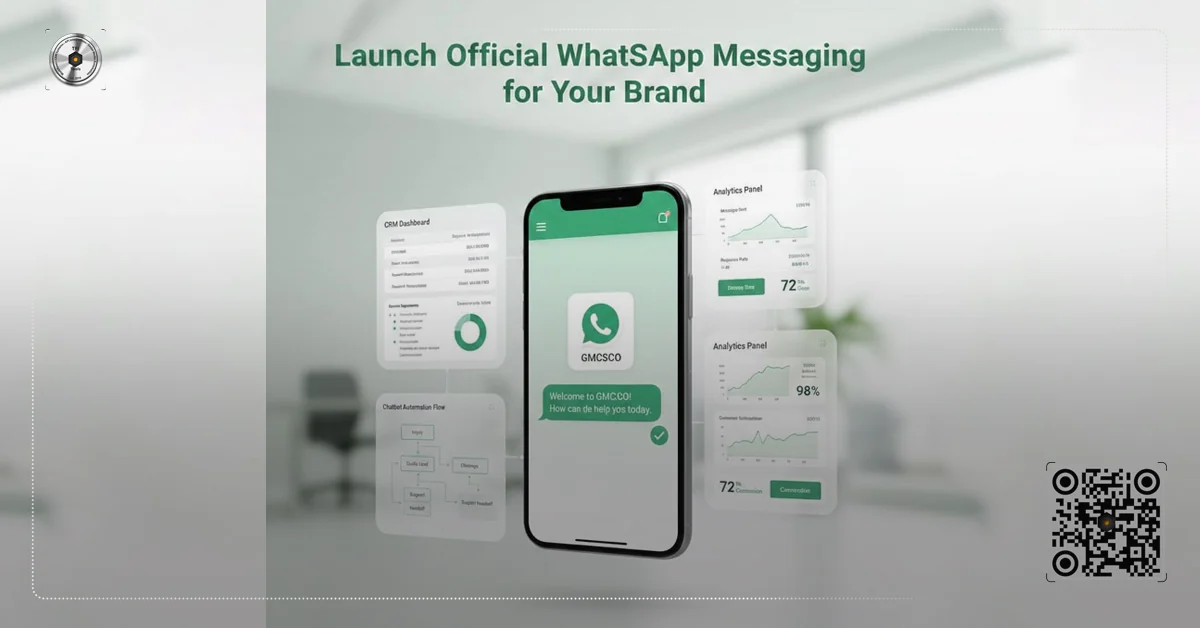
Because the API itself does not include a user interface or management tools, businesses typically rely on providers that build platforms around the API. These providers offer messaging dashboards, analytics tools, and integration capabilities that allow companies to manage customer communication efficiently.
Most providers offer features such as message automation, campaign management, and integration with CRM systems. These platforms simplify the technical complexity of using the WhatsApp Business API while enabling businesses to scale their messaging operations.
The role of a provider is therefore not only to deliver API access but also to supply the tools that allow businesses to manage conversations, monitor message delivery, and automate communication workflows.
Why Choosing the Right WhatsApp Business API Provider Matters
Selecting the right provider is one of the most important decisions when implementing WhatsApp messaging infrastructure.
Different providers offer different capabilities. Some focus on developer-friendly tools, while others provide complete messaging platforms designed for marketing teams or customer support departments.
A provider affects several aspects of business operations, including message delivery reliability, pricing structure, automation capabilities, and integration flexibility.
For example, some providers charge additional fees on top of Meta’s messaging costs, while others offer direct API access with minimal markup. Some platforms provide advanced automation features, while others require custom development to build complex workflows.
Companies planning large-scale messaging automation should therefore evaluate providers carefully and consider how the platform will integrate with their broader technology stack.
Key Criteria for Evaluating WhatsApp Business API Providers
Businesses comparing providers typically analyze several factors before selecting a platform.
The most important criteria include pricing structure, automation capabilities, integration flexibility, scalability, and reliability.
Pricing is often the first factor companies examine, but focusing only on cost can lead to poor long-term decisions. A cheaper provider may lack automation tools or CRM integration features that are essential for operational efficiency.
Integration capabilities are also crucial. Businesses frequently connect messaging platforms with CRM systems, marketing automation tools, support platforms, and operational databases.
Another important factor is scalability. Companies planning to grow their messaging operations should ensure that the provider can support high message volumes without performance issues.
Support and technical reliability also play a significant role. Messaging infrastructure must remain stable because communication interruptions can directly impact customer experience.
Best WhatsApp Business API Providers in 2026
Several companies dominate the global market for WhatsApp Business API solutions. Each provider offers different strengths depending on business requirements.
The following table compares some of the most widely used providers.
| Provider | Best For | Key Strength |
|---|---|---|
| Twilio | Developers and large platforms | flexible APIs and infrastructure |
| MessageBird | omnichannel communication | unified messaging platform |
| 360dialog | direct WhatsApp API access | lower markup pricing |
| Vonage | enterprise messaging systems | global infrastructure |
| WATI | SMB messaging automation | marketing tools and automation |
Each WhatsApp Business API provider offers different capabilities depending on the business model they target.
Twilio is widely known for its developer-friendly APIs and global infrastructure. Many software companies and startups choose Twilio because of its flexibility and scalability.
MessageBird focuses on omnichannel communication, allowing companies to manage messaging across multiple platforms such as SMS, email, and WhatsApp from one interface.
360dialog provides direct WhatsApp API access with fewer platform features but often lower costs. This option is commonly used by businesses that build their own messaging platforms.
Vonage offers enterprise communication infrastructure designed for large organizations that require global messaging reliability.
WATI targets small and medium businesses by offering easy-to-use dashboards and marketing automation tools built specifically for WhatsApp communication.

WhatsApp Business API Pricing Comparison
Pricing is another critical factor when evaluating providers. Although Meta defines the base messaging cost, each provider may add additional platform fees.
The typical pricing structures are summarized below.
| Provider | Typical Pricing Model |
|---|---|
| Twilio | pay per conversation + platform fee |
| MessageBird | conversation pricing + platform subscription |
| 360dialog | monthly API access fee |
| Vonage | enterprise subscription pricing |
| WATI | subscription + conversation charges |
Understanding these pricing structures helps businesses estimate their total messaging cost.
Companies implementing high-volume messaging campaigns often calculate expected conversation volumes before selecting a provider. This allows them to estimate operational expenses and avoid unexpected costs.
WhatsApp Business API Integration with CRM Systems
One of the most powerful advantages of the WhatsApp Business API is the ability to integrate messaging with CRM systems.
CRM integration allows businesses to store conversation history, manage customer data, and track the entire customer journey. When messaging platforms connect directly with CRM databases, companies gain full visibility into customer interactions.
For example, when a customer sends a message requesting product information, the CRM system can automatically display previous purchases, customer preferences, and past communication history.
This allows sales or support teams to respond faster and provide more personalized assistance.
Companies implementing automation workflows often design architectures where messaging triggers CRM updates, assigns leads to sales representatives, and initiates follow-up communication automatically.
Businesses seeking advanced CRM integrations frequently work with automation specialists such as https://tfi.tools/ to design messaging systems that connect WhatsApp communication with their internal databases and operational workflows.
WhatsApp Business API Provider vs Custom Implementation
Some businesses rely entirely on messaging platforms provided by API providers. Others build customized messaging infrastructures that use the API but integrate it with their own systems.
The choice between a ready-made platform and a custom implementation depends on several factors, including technical resources, messaging volume, and operational complexity.
Small businesses often prefer ready-made platforms because they offer simple dashboards and require minimal technical knowledge.
Large organizations with complex operational workflows often prefer custom implementations because they provide greater flexibility and allow businesses to connect messaging with internal systems more deeply.
Companies that require customized messaging architectures often build automation systems where WhatsApp messaging triggers operational processes such as order management, lead assignment, and support ticket generation.
Integration specialists such as tfi.tools help organizations design these systems by connecting WhatsApp messaging with CRM platforms, workflow automation engines, and operational data infrastructure.
Common Mistakes When Choosing a WhatsApp Business API Provider
Many companies make mistakes when selecting their messaging provider.
The most common mistake is focusing exclusively on pricing without evaluating the provider’s technical capabilities.
Another mistake is selecting a platform that cannot integrate easily with existing CRM systems or automation tools. This can limit the company’s ability to automate workflows and scale messaging operations.
Businesses also sometimes overlook message delivery reliability. Messaging infrastructure must maintain consistent uptime because disruptions can affect customer communication and operational efficiency.
Finally, companies sometimes underestimate the complexity of automation workflows. Messaging automation often requires integration with databases, CRM systems, and business processes.
Working with integration specialists such as https://tfi.tools/ helps businesses avoid these mistakes by designing messaging architectures tailored to their operational requirements.
Which WhatsApp Business API Provider Is Best for Your Business?
There is no single provider that fits every business scenario.
Startups and technology companies often prefer developer-focused providers such as Twilio because of their flexible APIs.
Small businesses may choose platforms like WATI because they provide easy-to-use dashboards and built-in automation tools.
Large enterprises often rely on infrastructure platforms such as Vonage or MessageBird to support global messaging operations.
The best approach is to analyze messaging requirements, automation needs, and integration capabilities before selecting a provider.
Organizations that want to design messaging architectures tailored to their business operations can consult the automation experts at https://tfi.tools/ to evaluate their messaging strategy and build scalable communication workflows.
FAQ – Frequently Asked Questions
1. What is WhatsApp Business API and how does it work?
WhatsApp Business API is an enterprise messaging solution that allows businesses to communicate with customers at scale through automated systems and software integrations. Unlike the WhatsApp Business App, the API connects directly with CRM platforms, automation tools, and customer support systems, enabling companies to manage large volumes of conversations and automate messaging workflows.
2. How much does WhatsApp Business API cost?
The WhatsApp Business API pricing model is based on conversations rather than individual messages. A conversation begins when a business sends a message or responds to a customer, and it remains open for 24 hours. Pricing varies depending on conversation type, user location, and the WhatsApp Business API provider used by the company.
3. How can a company get access to WhatsApp Business API?
Businesses typically obtain API access through an official WhatsApp Business API provider. The process usually involves verifying the company through Meta Business Manager, registering a phone number, and connecting the API to messaging platforms or automation systems.
4. What is the difference between WhatsApp Business App and WhatsApp Business API?
The WhatsApp Business App is designed for small businesses that manage communication manually through a mobile interface. In contrast, the WhatsApp Business API is part of the WhatsApp Business Platform, enabling automation, multi-agent communication, and integration with CRM systems and operational tools.
5. Can WhatsApp Business API integrate with CRM systems?
Yes. One of the main advantages of the WhatsApp Business API is its ability to integrate with CRM platforms. This allows businesses to track customer conversations, automate follow-ups, manage leads, and centralize customer communication within a unified system.
Companies that want to implement advanced messaging automation or CRM integrations can work with automation specialists such as https://tfi.tools/ to build scalable WhatsApp communication systems.
Is WhatsApp Business API the Right Choice for Your Business?
Messaging has become a central component of modern customer communication. Businesses that want to engage customers effectively must adopt messaging platforms that support automation, integration, and scalability.
Selecting the right WhatsApp Business API provider plays a critical role in building reliable messaging infrastructure. Providers differ in pricing models, automation features, and integration capabilities, making careful evaluation essential before implementation.
Companies that design messaging architectures strategically can transform WhatsApp from a simple chat platform into a powerful communication system that supports sales, customer service, and marketing operations.
Businesses planning to implement WhatsApp automation, integrate messaging with CRM systems, or build scalable communication workflows can work with the specialists at https://tfi.tools/ to develop messaging architectures tailored to their operational needs.